
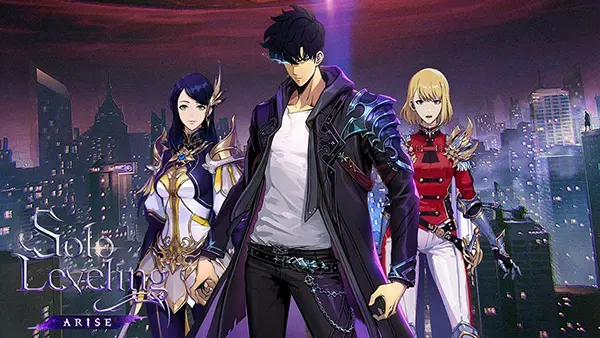
Solo Leveling: ARISE Review (2026): Combat, Character Progression, and Spending
Solo Leveling: ARISE is Netmarble’s action RPG based on the hit manhwa, released globally on 8 May 2024 for iOS, Android, and PC. In 2026 the game is still built around fast, instance-based fights, a clear “Power Score” progression loop, and a monetisation model that rewards both smart planning and (sometimes) deep pockets. This review focuses on what actually matters once the honeymoon phase is over: how combat really works, how progression systems stack on top of each other, and where spending gives a noticeable advantage.
Combat System: What You’re Actually Playing Minute to Minute
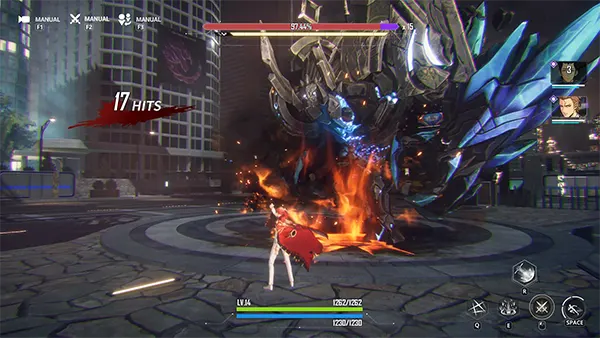
The core combat is a third-person action loop with manual movement, dodges, skill rotations, and a heavy emphasis on timing. If you treat it like an auto-battler, you’ll hit a wall quickly: stages and bosses are designed around avoiding telegraphed attacks and punishing sloppy stamina use. The game feels closest to mobile-friendly action RPGs where the difference between clearing and failing is often a single dodge or badly timed ultimate.
Team building is split between Sung Jinwoo and recruited Hunters, with swaps used for burst damage, buffs, or crowd control. Jinwoo is the consistent anchor, while Hunters let you solve specific problems (break shields, apply debuffs, control space, or spike damage during short openings). That structure matters because later content frequently forces you to think in “windows” — short periods where the boss is vulnerable and you must unload damage cleanly.
Over time Netmarble has also been willing to adjust combat systems rather than only adding new characters. Developer notes and patch cycles show that systems can shift, meaning the 2026 experience is not identical to early launch guides. If you are coming back after a long break, you will feel the difference in how certain mechanics and builds perform.
Controls, Timing, and Why “Power” Isn’t Everything
Input responsiveness is good by mobile standards, but success still depends on understanding priority: dodging correctly is often worth more than squeezing in an extra skill. Enemies at higher difficulty tiers punish greedy play, especially when your i-frames are on cooldown. You’ll notice this most in boss fights that chain area attacks and grabs — if you don’t learn patterns, raw stats won’t reliably carry you.
Elemental and kit-based matchups matter more than the game admits up front. Some Hunters shine because they compress value into short burst windows, while others smooth out runs by controlling mobs or enabling safer damage. Even if your account is strong, using the wrong damage type or ignoring a boss mechanic can make runs feel inconsistent.
Co-op and raid-style activities make positioning and role clarity more important. When content is tuned around survival phases and timed damage checks, bringing only selfish DPS is often weaker than a setup that maintains uptime, applies breaks reliably, and controls the fight pace.
Progression and Levelling: The Real Growth Loop in 2026
Progression is layered. You level Jinwoo, level Hunters, raise skill levels, improve weapons, farm artefacts, and chase upgrades for runes and blessing stones. The game funnels you through story stages early, then gradually shifts focus toward repeatable activities that feed the same upgrade ecosystem. The challenge is that every system competes for limited resources, and the most common mistake is spreading upgrades too thin.
Power Score is the headline metric, but it’s a summary rather than a strategy. You can inflate it with upgrades that look strong on paper while still failing content because your build lacks survivability, proper break capability, or consistent damage uptime. In practice, you want to prioritise upgrades that increase clear speed and reliability, not just the biggest number.
By 2026, optimisation is less about “getting to endgame” and more about sustaining improvement over time. Newer upgrade layers and systems extend long-term growth and can keep accounts progressing even when traditional gear upgrades slow down.
Build Planning: Artefacts, Runes, and the “Duplicate” Problem
Artefacts are the backbone of most mid-to-late game power spikes. The trick is not just chasing higher rarity, but completing functional sets and rolling useful stats. A perfect-looking artefact with irrelevant substats can be worse than a slightly weaker piece that supports your main scaling and actual rotation.
Runes and blessing stones add meaningful customisation, but they also introduce the familiar duplicate issue. You will obtain repeats, and progression can feel like it stalls when the RNG doesn’t cooperate. This is why smart resource management matters: saving upgrade materials for your core build generally pays off more than upgrading everything you own.
A practical approach in 2026 is to plan around a small number of core teams. Pick a main Jinwoo direction, then build two to four Hunters that cover different roles. If you chase every banner, you’ll end up with a wide roster that looks impressive but struggles in high-level content because you can’t fully support it with gear and upgrades.
Monetisation and “Donat”: What Spending Actually Changes
Solo Leveling: ARISE uses a familiar model: gacha pulls for Hunters and weapons, plus paid packs, pass-style offers, and convenience purchases. Spending can accelerate progression, especially in the early and mid game where duplicates and upgrade materials create bottlenecks. The key point is that money doesn’t replace learning combat, but it can reduce the time it takes to reach higher difficulty tiers.
The strongest spending advantage is consistency. Paying players reach key breakpoints faster: they secure meta Hunters earlier, raise weapon refinement sooner, and gain more attempts at optimisation systems. That matters because high-level content often expects both damage output and survivability thresholds.
In 2026, the healthiest way to evaluate the shop is to treat spending as optional acceleration. The game is playable without paying, but the grind can be longer, and the gap appears most clearly when you compare how fast different accounts reach stable farming and high-tier clears.
Spending Smart: Low-Spend Value and Common Traps
If you spend at all, the best value usually comes from predictable returns: passes that provide steady currency and upgrade materials over time, or bundles tied to progression milestones. These purchases reduce friction without gambling on a specific pull outcome.
A common trap is impulse-buying premium currency to “fix” bad gacha luck. That approach turns randomness into a bottomless sink and can quickly cost more than players expect. Another trap is pulling on every limited banner without checking whether you can actually invest in and gear that unit properly.
Finally, keep an eye on patch cycles and balance shifts. The game has shown that it can adjust combat systems and progression mechanics over time, so no tier list stays “correct” forever. The safest long-term strategy is building an account that can adapt rather than depending on a single over-tuned meta pick.
-
 Honor of Kings (Global Mobile): Best Starter Heroes and Basic Strategy
Honor of Kings remains one of the most widely played …
-
 Delta Force (2025) on Android / iOS — A New Standard of Mobile Shoo...
In 2025, mobile shooters continue to dominate app stores, with …
-
 Call of Duty: Mobile – The Ultimate Mobile Gaming Experience
Call of Duty: Mobile is a revolutionary entry in the …