
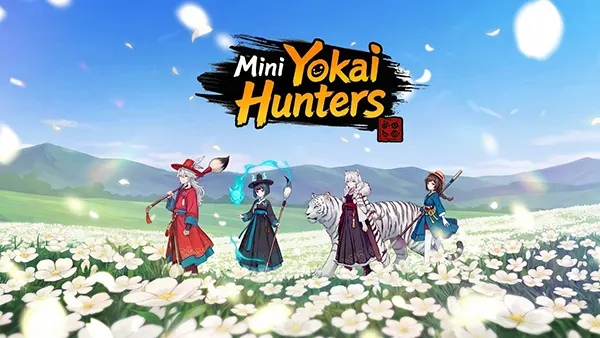
Woochi: Mini Yokai Hunters — Korean Folklore as the Foundation of a Mobile Game
Woochi: Mini Yokai Hunters is a mobile game built around Korean folklore, mythical creatures and the traditional idea of a hero protecting the human world from supernatural threats. Instead of using familiar fantasy themes from Western mythology, the game draws attention to Korean legends about yokai-like beings, spirits and mysterious creatures that have been part of local stories for centuries. By combining folklore-inspired characters with modern mobile gameplay, Woochi: Mini Yokai Hunters creates an experience where cultural elements become an important part of the adventure rather than just a visual decoration.
Korean Folklore as the Core Inspiration Behind Woochi
Korean folklore has a long history of stories about spirits, magical creatures and unusual beings that exist between the human world and the supernatural realm. Many of these tales describe encounters between people and mysterious entities that can be friendly, dangerous or unpredictable. Woochi: Mini Yokai Hunters uses this tradition as the foundation for its setting, introducing players to a fantasy environment influenced by Korean myths and storytelling traditions.
The game’s concept reflects the popularity of Korean cultural themes in modern entertainment. In recent years, Korean history, mythology and traditional art have gained wider attention through games, films, animation and television series. Woochi: Mini Yokai Hunters follows this trend by presenting folklore-inspired ideas in a format designed for mobile audiences, where short sessions and character-based progression are combined with elements of traditional legends.
Rather than simply copying historical stories, the game adapts folklore concepts for a modern audience. Mythical creatures and supernatural characters become part of an interactive adventure where players can discover different aspects of Korean-inspired fantasy. This approach helps introduce cultural references to people who may not previously have been familiar with Korean legends.
Mythical Creatures and Characters Inspired by Traditional Stories
The creatures featured in Woochi: Mini Yokai Hunters are connected with the broader tradition of East Asian supernatural storytelling. Korean legends often include spirits, monsters and magical beings that represent different ideas, from protection and wisdom to chaos and danger. These concepts provide developers with a rich source of inspiration when creating characters with distinctive appearances and personalities.
The character design in games based on folklore usually focuses on making traditional ideas understandable for modern players. Instead of presenting mythical beings only through historical descriptions, Woochi: Mini Yokai Hunters transforms them into memorable game characters with individual roles and abilities. This makes the folklore elements easier to follow while keeping the connection with their cultural origins.
The use of folklore-inspired heroes also reflects the traditional idea of balance between humans and supernatural forces. Stories about legendary warriors and protectors often focus on courage, responsibility and the struggle between different powers. These themes remain relevant in modern games because they create clear goals and emotional connections with characters.
Mobile Gameplay and the Adaptation of Folklore Elements
Woochi: Mini Yokai Hunters adapts Korean mythology into a mobile-friendly format where players can interact with a fantasy world through simple and accessible gameplay systems. Mobile games often need to combine quick sessions with meaningful progression, and folklore-based settings can support this by providing a wide range of characters, creatures and stories to explore.
The combination of action elements and character development allows the game to use traditional themes in an interactive way. Players are not only reading about mythical creatures but also becoming part of a story where these beings influence the direction of the adventure. This creates a stronger connection between cultural inspiration and gameplay mechanics.
A key feature of folklore-based games is the ability to introduce players to unfamiliar traditions through entertainment. Woochi: Mini Yokai Hunters presents Korean mythology in a form that can be understood by an international audience while maintaining the atmosphere of its original inspirations. The mobile format makes these cultural references available to players who may discover Korean folklore for the first time through the game.
How Modern Game Design Changes Traditional Legends
When ancient stories are adapted into games, developers often need to balance respect for the original material with the expectations of modern audiences. A direct recreation of folklore may not always work in an interactive format, so elements such as character progression, challenges and visual storytelling are added to create a complete gaming experience.
Woochi: Mini Yokai Hunters demonstrates how traditional themes can be transformed without losing their main identity. The game uses familiar ideas from folklore while presenting them through modern graphics, interactive features and a structure suitable for mobile devices. This approach allows cultural stories to remain relevant for new generations.
The adaptation process also gives players an opportunity to learn about different cultural traditions naturally. Instead of presenting folklore as a separate educational topic, the game integrates these elements into the adventure itself. As a result, mythology becomes part of the player’s experience rather than background information.
The Role of Korean Culture in Modern Mobile Games
Korean culture has become increasingly visible in global entertainment, and mobile games are one of the areas where traditional and modern influences often meet. Developers use historical themes, artistic styles and folklore references to create unique settings that differ from common fantasy approaches. Woochi: Mini Yokai Hunters represents this movement by connecting Korean mythology with contemporary game design.
The popularity of culture-based games shows that players are interested in discovering new worlds inspired by different traditions. A strong cultural identity can help a game stand out by offering more than standard fantasy elements. Korean folklore provides a large collection of stories, symbols and characters that can be adapted into engaging interactive experiences.
Games like Woochi: Mini Yokai Hunters also demonstrate how digital entertainment can support cultural awareness. By introducing mythology through characters and gameplay, such projects can encourage players to learn more about the traditions that inspired them. This connection between entertainment and cultural discovery has become an important part of modern game development.
Why Folklore-Based Games Attract Players
One reason folklore-inspired games appeal to audiences is their ability to combine familiar gameplay ideas with new cultural perspectives. Players may recognise themes such as heroes, battles and magical creatures, but the cultural background gives these elements a different meaning and atmosphere.
Woochi: Mini Yokai Hunters benefits from the storytelling possibilities offered by Korean legends. Folklore provides a foundation for creating unusual characters, distinctive environments and narratives built around mystery and exploration. These elements help create a game world that feels different from more traditional fantasy settings.
The connection between mythology and mobile gaming continues to develop as more creators look for original sources of inspiration. Woochi: Mini Yokai Hunters shows how regional legends can be transformed into modern entertainment while keeping their cultural roots visible. The result is a game concept that connects traditional storytelling with the expectations of today’s mobile players.
-
 Honor of Kings (Global Mobile): Best Starter Heroes and Basic Strategy
Honor of Kings remains one of the most widely played …
-
 Delta Force (2025) on Android / iOS — A New Standard of Mobile Shoo...
In 2025, mobile shooters continue to dominate app stores, with …
-
 Call of Duty: Mobile – The Ultimate Mobile Gaming Experience
Call of Duty: Mobile is a revolutionary entry in the …