
Blue Protocol: Star Resonance Classes, Raids, Social Systems and Monetisation in 2026
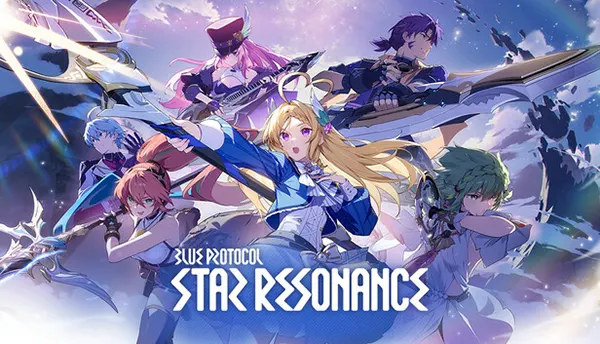
Blue Protocol: Star Resonance has developed into a broad anime-styled MMORPG built around two equally important ideas: organised group combat and relaxed shared activities. By July 2026, the game has moved well beyond its original launch line-up, with seasonal classes, new dungeons, staged raids, housing improvements, music features and additional social events. Its combat remains easy to understand at a basic level, yet party roles become increasingly important in harder content. At the same time, fishing, crafting, homestead management and community activities give players useful reasons to log in without committing to a long raid session. The free-to-play model supports this mixture through cosmetic sales, premium currency, convenience options and chance-based Wish systems. Understanding how these elements connect is more useful than judging them separately, because class choice affects raid access, social groups influence progression, and paid options can change the pace of collecting items even when the main game remains available without payment.
Choosing a Class and Building a Useful Party Role
The current class roster covers the traditional tank, damage and support roles while giving each weapon a distinct rhythm. Shield Knight and Heavy Guardian protect groups at close range, although they do so in different ways: Shield Knight relies on a sword, shield, recovery tools and direct protection, while Heavy Guardian uses a Guardblade, strong defensive effects and crowd control. Verdant Oracle is the most recognisable healer, using nature-based abilities to restore health, protect allies and remove harmful effects. Beat Performer combines ranged attacks with healing, buffs and musical support. Damage-focused options include Stormblade, Wind Knight, Marksman and Frost Mage, while the Season 3 addition Twin Striker uses two axes for fast close-range attacks and wide-area fire damage.
There is no single class that remains the best choice in every activity. A class that performs comfortably in open-world quests may require much more discipline during a raid, where positioning, survival and cooperation matter as much as raw damage. Ranged classes such as Marksman and Frost Mage can maintain pressure while standing away from many close-range attacks, but poor movement can still place them outside healing range or in the path of a large area attack. Melee classes usually have more opportunities to attack continuously, yet they must read boss movements carefully. Tanks and healers may deal less personal damage, but a reliable player in either role often has an easier time finding organised groups.
Class choice should therefore begin with preferred responsibility rather than appearance alone. Players who enjoy leading enemies, controlling their direction and protecting less durable allies are better suited to a tank. Those who prefer reacting to group health, shielding teammates and timing recovery skills should consider Verdant Oracle or a support-focused Beat Performer setup. Damage classes suit players who want to learn attack windows, maintain steady pressure and respond quickly to changing mechanics. The game also uses specialisations within classes, allowing a familiar weapon to support more than one style. This makes it sensible to learn one role thoroughly before spending heavily on several separate equipment sets.
How the Main Roles Feel During Everyday Play
Tanking in Star Resonance is active rather than passive. A tank is expected to keep the boss facing away from the group, reduce incoming damage, interrupt or control smaller enemies and move encounters into safe positions. Shield Knight is a practical option for players who value direct protection and recovery, whereas Heavy Guardian favours substantial shields and a sturdier, more deliberate style. In ordinary quests, either class can survive mistakes that would defeat a lighter damage dealer. In raids, however, survival alone is not enough. A tank who moves unpredictably can force the whole group to reposition, reduce damage output and make healing more difficult.
Healing and support roles demand awareness of the entire party. Verdant Oracle offers straightforward group recovery, protective effects and cleansing, making it approachable for players who want a clear support identity. Beat Performer is more flexible because its musical abilities can combine damage, healing and team bonuses, but that flexibility requires good timing and placement. Support players also need to recognise when an ally is in genuine danger and when it is better to save a major recovery skill for the next unavoidable attack. In coordinated content, a calm healer who understands the encounter is usually more valuable than one who reacts late and uses every strong ability at once.
Damage classes differ mainly in range, movement and the amount of attention required to maintain their best output. Frost Mage controls space with ice and area attacks, Marksman fights from range and can work with animal companions, while Stormblade and Wind Knight reward players who enjoy faster close-range movement. Twin Striker, introduced with Season 3, adds another aggressive melee choice built around rapid dual-axe attacks and strong area damage. These classes are often popular, so damage players may face more competition for group places. The practical answer is not to chase the highest theoretical ranking, but to choose a style that can be played consistently while still avoiding hazards and following encounter instructions.
Raids, Dungeons and Seasonal Group Progression
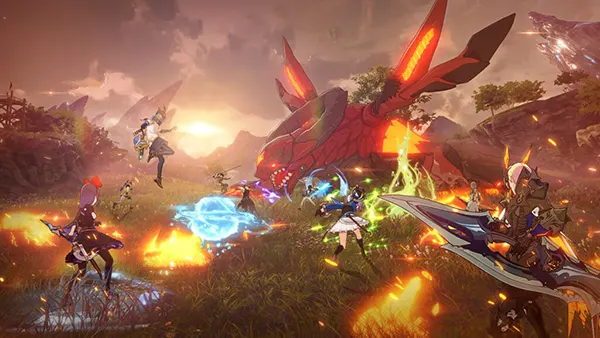
Group combat is divided into activities of different size and pressure. Five-player dungeons teach the foundations of party composition, including holding enemy attention, keeping allies alive and concentrating damage on priority targets. Twenty-player raids raise the demands by adding larger arenas, repeated phase changes and mechanics that may involve several groups at once. The game does not require complex preparation for every early dungeon, but later encounters punish players who ignore visible warnings, attack the wrong target or stand too far from their assigned group. Clear role distribution matters because a party filled only with damage dealers may complete easy activities quickly but struggle once sustained healing and reliable defence become necessary.
Seasonal updates provide the main structure for high-level progression. Season 3, Echoes of Ember, began on 28 May 2026 with three new maps, six dungeons and the Twin Striker class. During June and July, additional Chaotic Realm dungeons opened in stages, while the Field of Forgotten Illusions raid introduced the Paradox-Calamity Remnant encounter through Origin, Continuation and Final phases. The final stage became available on 6 July 2026. This staged schedule gives organised groups time to learn one part before facing the next, although it also means that some progression is tied to seasonal release dates rather than being available immediately.
Access to harder groups is influenced by seasonal strength, class composition and the expectations set by party leaders. A 2026 party update added clearer information in the Party Hub, including member count, class composition and minimum seasonal strength, together with filters for finding a suitable team. These tools reduce confusion, but they can also make underprepared characters easier to exclude. The most effective response is to improve equipment through available dungeons, class loot, crafting and seasonal activities before applying to advanced groups. Joining a guild or a regular team can be especially useful because familiar players are more willing to teach mechanics than strangers assembling a quick clear.
Preparing for Difficult Encounters Without Excessive Complexity
Good preparation begins with a small number of checks. Equipment should be appropriate for the current season, core skills should be upgraded, and the chosen specialisation should match the role promised to the group. Tanks need enough durability to survive predictable heavy attacks, healers need sufficient recovery to handle group-wide damage, and damage dealers need a dependable rotation that does not prevent them from moving. Food, crafted consumables and defensive items can help, but they cannot replace basic encounter knowledge. Watching the boss, recognising repeated signals and staying near the assigned section of the group will prevent more failures than a minor increase in statistics.
Communication becomes more important as group size increases. Party leaders can use composition information and countdown tools to organise the start of an encounter, while players should agree on simple responsibilities before the first attempt. A short instruction such as which side to stand on, who handles an additional enemy or when to group together is often enough. Voice chat can help organised teams, but it is not essential when visual signals and text instructions are clear. The key is consistency: twenty players following a simple plan usually perform better than a group in which several people attempt different advanced strategies.
Repeated failure should be treated as information rather than a reason to replace half the team immediately. If the tank dies first, the problem may be positioning, missed mitigation or insufficient healing. If many players fall at the same moment, the group probably misunderstood a shared mechanic. If the fight reaches its time limit with most players alive, damage output or target priority may be the issue. This basic review keeps preparation understandable and prevents unnecessary equipment spending. Seasonal raids are designed to be learned over several attempts, and a group that identifies one clear mistake after each run will usually progress more steadily than one that changes classes and tactics without a specific reason.
Social Activities, Leisure Systems and the In-Game Economy
Star Resonance is not built only around combat. Fishing, gathering, crafting and other life skills provide materials, equipment-related resources, furniture and consumables. These activities suit shorter sessions and give players a way to contribute even when they do not participate in difficult raids. Crafting also connects social play with the economy because useful products can circulate through the Trading Center or be shared within the limits of the game’s storage rules. The system does restrict some exchanges, particularly items that could encourage excessive alternate-character farming, so it is not a completely open player market. Even with those limits, dedicated gatherers and crafters can support friends and guild members in practical ways.
Housing gives each player a personal island and home that can be customised with furniture, partitions and crafted decorations. Up to four friends can share a residence, making the homestead more than a private display area. Farming activities produce crops that can be sold for housing currency, which is then used for furniture and related items. Guilds, friend groups, the Party Hub and the instructor system add further routes for meeting players or helping less experienced members. Season 3 also expanded NPC Bond Stories for Darya, Boyce and Fafala, giving social progression a narrative element rather than limiting interaction to menus and reward claims.
The Musician System, added in Season 3 and unlocked from level 10, is a clear example of social content that does not depend on character strength. Its first instrument set includes guitar, keyboard, bass and drums, allowing players to perform together in a rock-band arrangement. Seasonal gatherings, screenshot events, community sign-ins and collaboration activities provide additional reasons to meet outside dungeons. These features do not replace substantial combat updates, but they help create a community that can remain active between raid releases. For many players, a stable guild, shared home or regular music group will have a greater effect on long-term enjoyment than a small improvement to equipment.
How the Free-to-Play Model Works in 2026
Blue Protocol: Star Resonance can be played without an initial purchase, but it includes several forms of optional spending. Rose Orbs serve as premium currency, while the shop offers outfits, mounts and other cosmetic items. Fashion and Mount Wish systems use chance-based rewards, and store listings clearly identify both in-game purchases and chance-based purchases. Seasonal reward tracks with paid options and convenience offers add further spending choices. The important distinction is that the system is not limited to straightforward cosmetic purchases: some options are connected to collection, convenience, currency conversion or faster access to resources, even though the developers state that progression items can also be earned through ordinary play.
The developer’s stated aim is to avoid exclusive paid advantages and use spending mainly for cosmetics, convenience and catch-up. In practice, players should still expect payment to influence pace. Someone who buys premium currency, Wish attempts or convenience items may collect appearances and selected resources more quickly than a player relying only on earned rewards. The Trading Center can allow paid activity to place more goods into the wider economy, but that does not make every player’s progression identical. A fair description is that the main quests, classes, dungeons and raids remain accessible without payment, while spending can reduce waiting, expand cosmetic choice and make some collection systems easier to pursue.
Careful spending is especially important around chance-based Wishes. Players should check the displayed probabilities, guaranteed-reward rules and currency cost before making repeated attempts. Purchases are generally non-refundable, so a failed attempt should not be treated as money that must be recovered through another purchase. A fixed monthly limit is more useful than deciding after each result, and cosmetic items should be judged by their direct value rather than by rarity alone. Free players can make steady progress by concentrating on one class, completing seasonal activities and using earned resources selectively. Paying players receive the best value when they choose predictable items or clearly defined benefits instead of repeatedly chasing an uncertain reward.
-
 Honor of Kings (Global Mobile): Best Starter Heroes and Basic Strategy
Honor of Kings remains one of the most widely played …
-
 Delta Force (2025) on Android / iOS — A New Standard of Mobile Shoo...
In 2025, mobile shooters continue to dominate app stores, with …
-
 Call of Duty: Mobile – The Ultimate Mobile Gaming Experience
Call of Duty: Mobile is a revolutionary entry in the …